
Foundation Stage Curriculum
Prime Areas of Learning
The three prime areas of learning are fundamental to children’s early development, supporting all other areas of learning and forming the foundations for future progress.
Communication and Language
We believe communication and language underpin all learning. We create a language-rich environment where children are encouraged to speak, listen, and express their ideas with confidence.
Using our Voice 21 approach, children are given meaningful opportunities to develop their oracy skills through talk partners, discussion, and shared thinking.
Staff model vocabulary and extend children's language through high-quality interactions, storytelling, and role play. Children are also screened using the NELI programme to identify and support any early language needs.
F1 Communication, Language, Vocabulary and Reading LTP
F2 Communication, Language, Vocabulary and Reading LTP
Personal, Social and Emotional Development
Every child is supported by a key worker who ensures they feel safe, happy, and valued. Our structured environment and consistent routines help children develop confidence, independence, and self-regulation.
Children are supported in developing everyday skills such as dressing, toileting, and self-care, with adults carefully adapting support to meet individual needs.
Oral health is a key part of the EYFS, as good habits are developed early. We provide regular sessions to teach children how to brush their teeth effectively, understand the importance of visiting the dentist, and make healthy choices by reducing sugary foods and drinks. Children receive a free toothbrush and toothpaste each term, and are offered only milk or water in school.
Physical Development
We provide a wide range of opportunities for children to develop both fine and gross motor skills. Through activities such as climbing, cycling, dance, and games, children build coordination, strength, and confidence.
Our provision ensures all children can access and enjoy physical development opportunities in an inclusive and supportive environment.
Specific Areas of Learning
The specific areas of learning are Literacy, Mathematics, Understanding the World, and Expressive Arts and Design. These areas provide children with the essential knowledge and skills needed to participate confidently in society and build on the foundations established in the prime areas.
Phonics
At Pye Bank Primary School, we recognise reading as a vital life skill. We deliver daily, high-quality phonics sessions using the Rocket Phonics programme. Children are regularly assessed, and their progress is carefully tracked.
Once children have secured their initial sounds, they begin taking home phonetically decodable books matched closely to their phonics knowledge. This ensures early success, builds confidence, and supports children in developing as fluent readers.
A Reading-Rich Curriculum
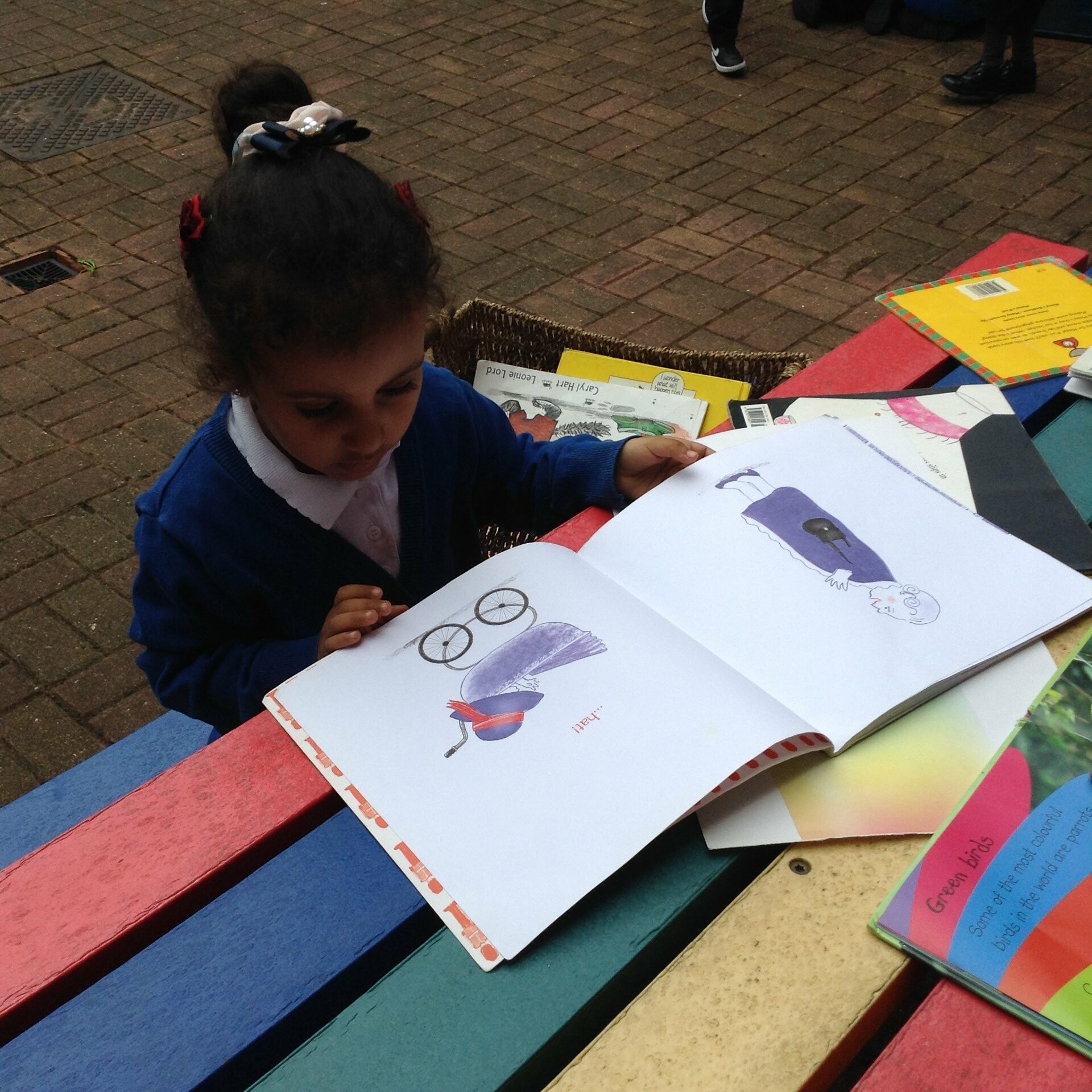
We are passionate about promoting a love of reading. In EYFS, we carefully select high-quality texts that expose children to rich vocabulary (including Tier 2 words), as well as rhythm, repetition, and rhyme.
Children revisit key texts over time to deepen understanding, strengthen language skills, and develop comprehension. Through shared reading, storytelling, and play, children become familiar with characters, settings, and story structures. Carefully chosen vocabulary is explicitly taught and embedded through conversation and continuous provision.
We combine a range of ‘classic’ and contemporary texts to ensure children experience a broad and engaging reading diet, fostering a lifelong love of books.
To find out more about reading and phonics at Pye Bank Primary School, please click here.
Handwriting and Mark Making
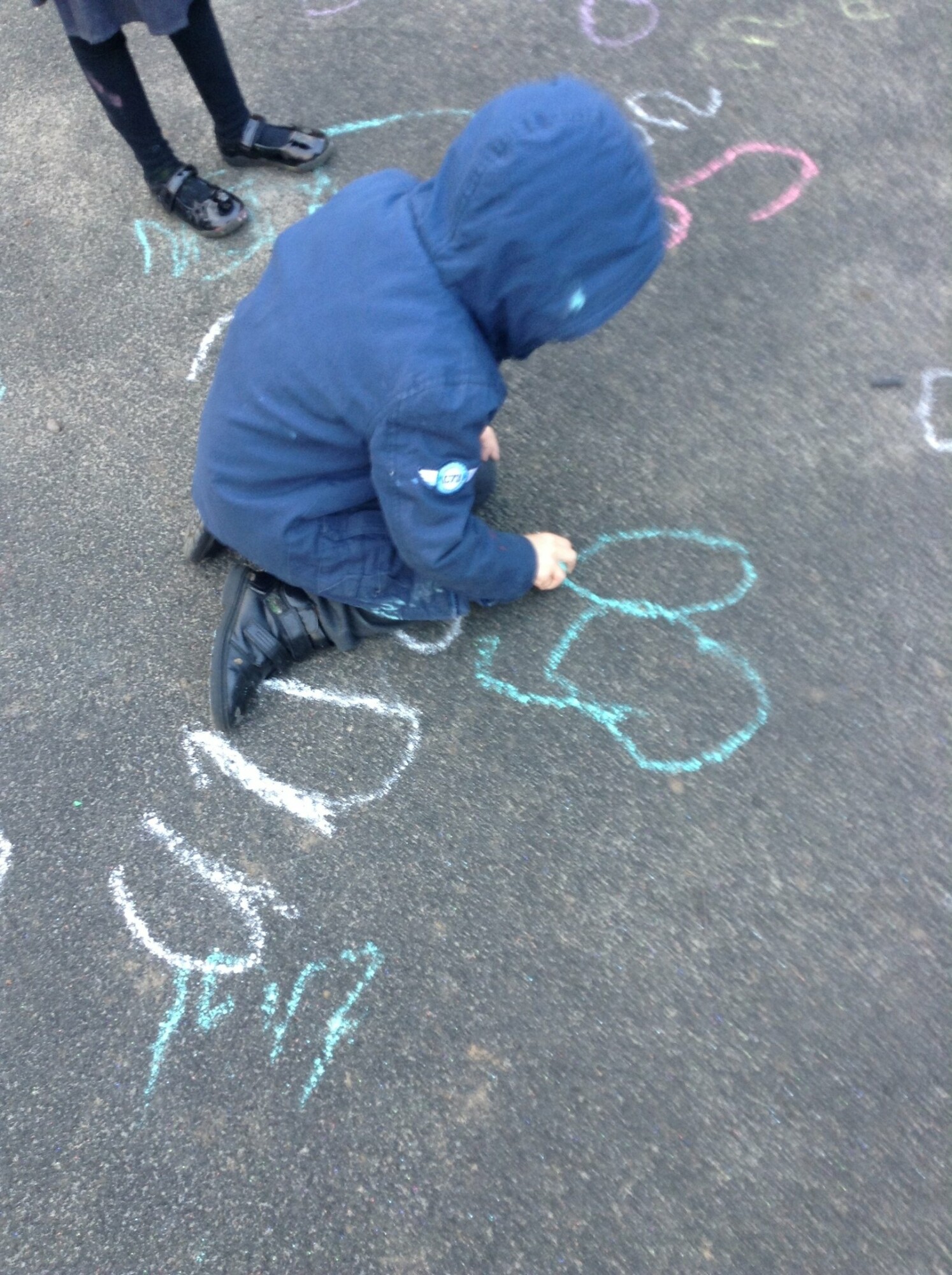
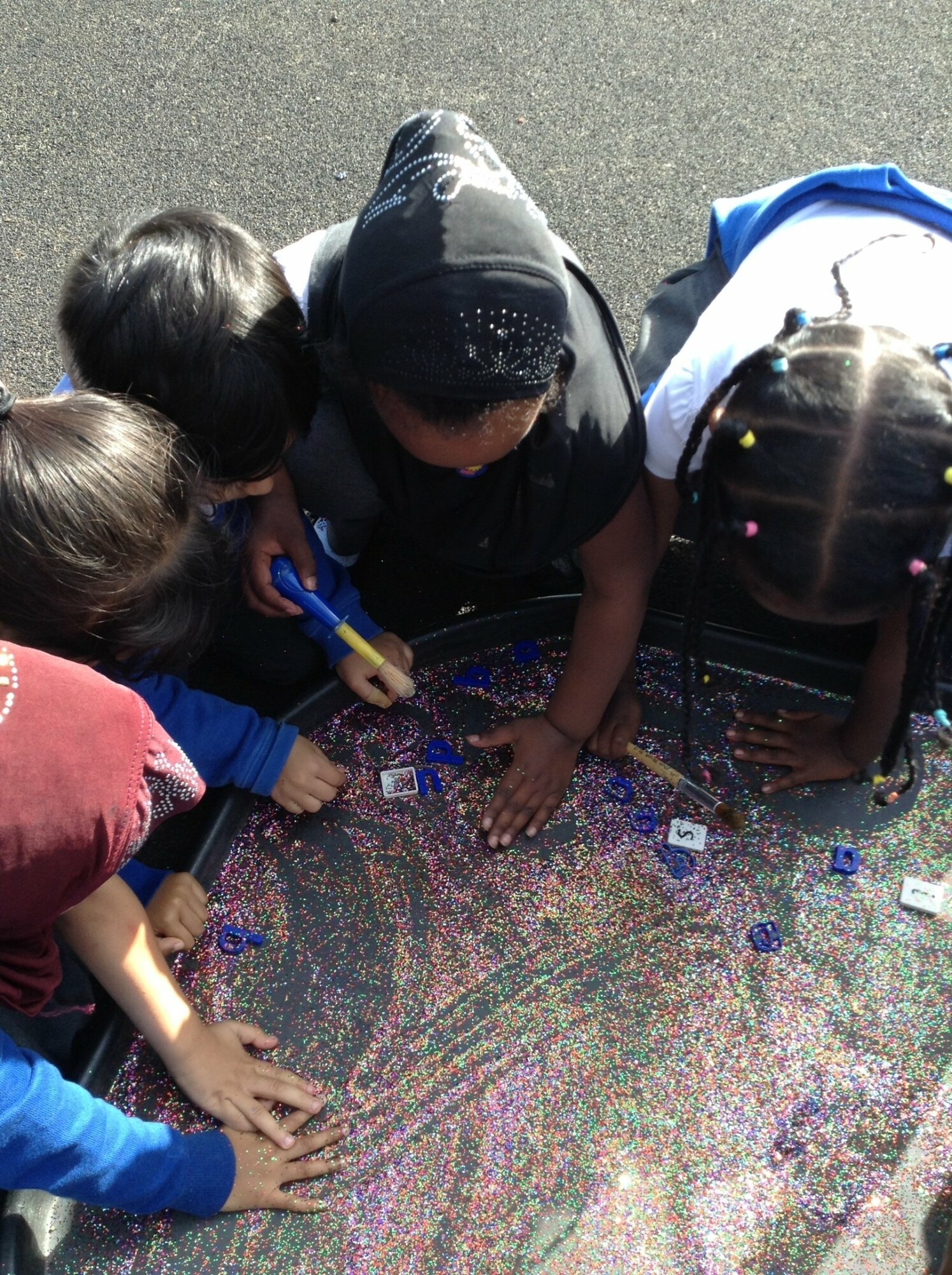
Spelling is taught through phonics (Rocket Phonics), while letter formation is developed through the Letter-join programme. Children are supported to apply these skills through a range of mark-making opportunities across the provision.
Writing opportunities are carefully planned and integrated into different areas of learning, alongside a dedicated mark-making area, ensuring children can develop their skills in meaningful and engaging contexts.
Mathematics
In Mathematics, there is a strong focus on developing children’s understanding of number, particularly counting, subitising, and numbers to ten. Children are supported to recognise small quantities without counting and develop a secure understanding of number patterns and relationships, including part–whole concepts. Our continuous provision is carefully planned to provide frequent and varied opportunities for children to explore, apply, and deepen this understanding through play.
Children also explore shape, space, and measure, while developing their reasoning skills. Practitioners encourage children to notice patterns, make connections, and talk about their thinking.
At Pye Bank Primary School, we use a whole-class, interactive teaching approach, ensuring all children learn together and develop secure understanding before moving on. Our main teaching is supported through the NCETM Mastering Number programme, which strengthens children’s fluency, confidence, and depth of understanding in number.
Understanding the World and Expressive Arts and Design
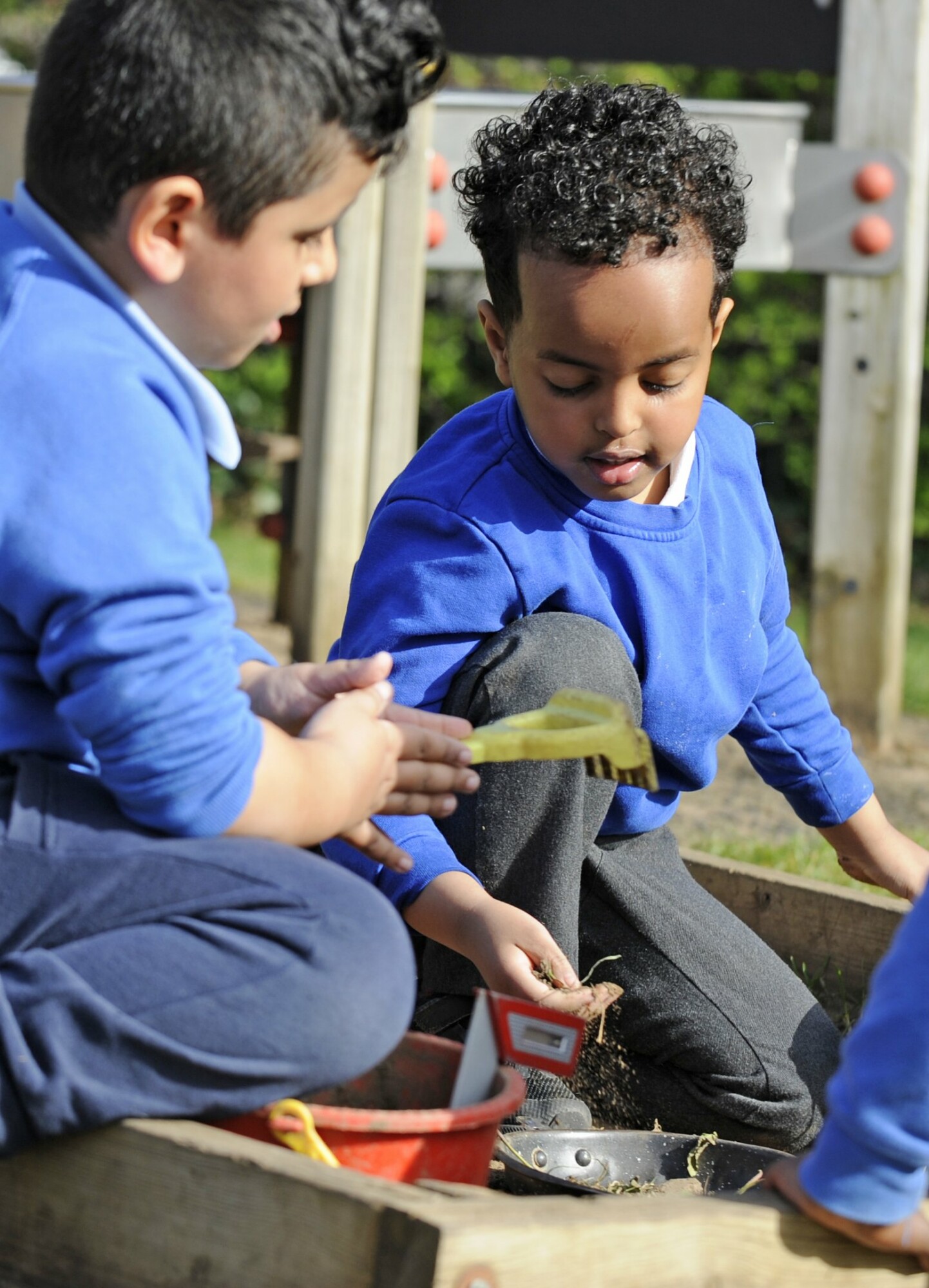
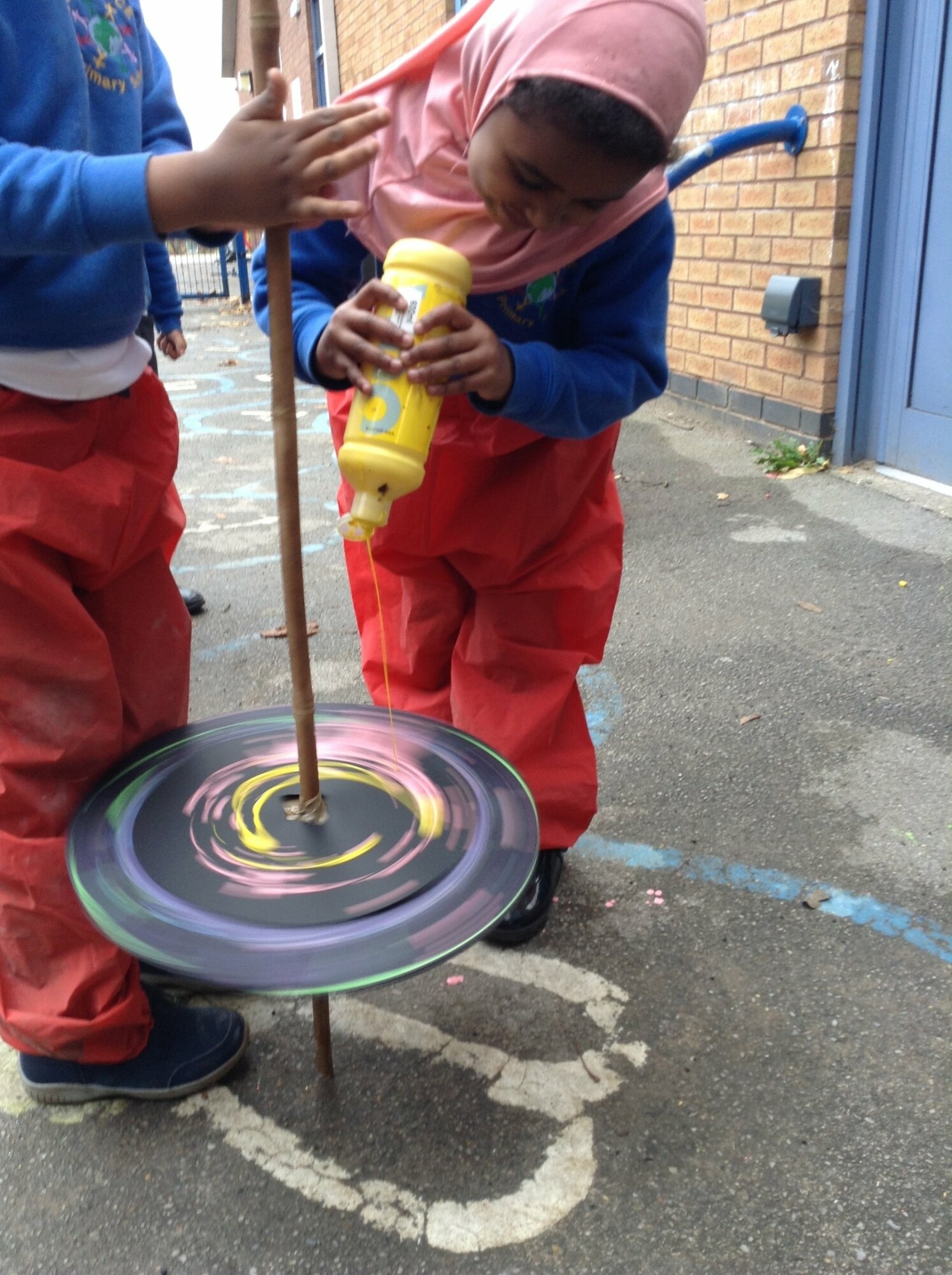
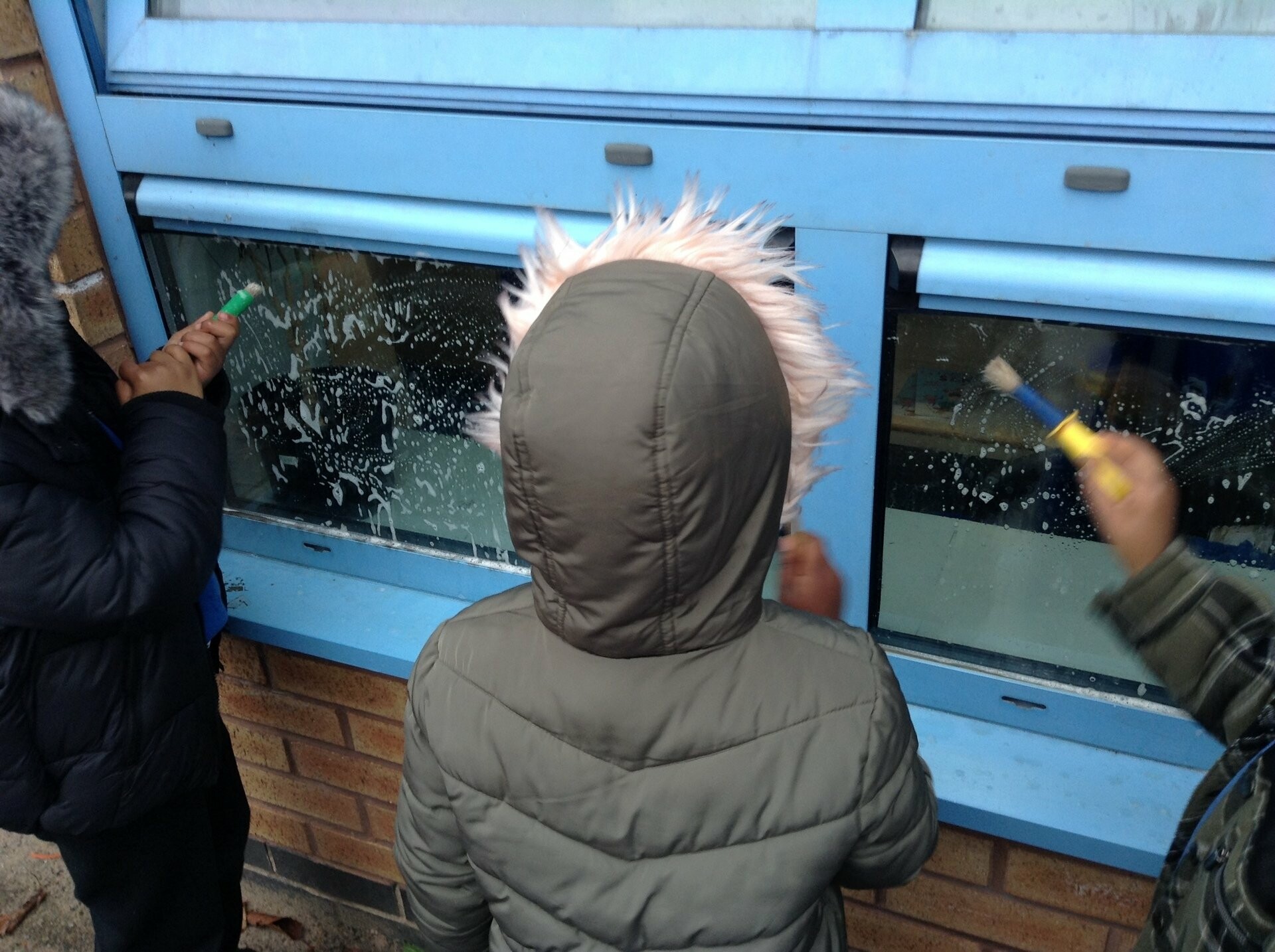
Understanding the World and Expressive Arts and Design give children rich opportunities to explore, create, and make sense of the world around them. Through hands-on experiences, such as building models of the local community through junk modelling and baking bread, children develop curiosity, creativity, and a real sense of wonder. These meaningful experiences inspire a love of discovery and lay strong foundations for confident and successful learning as children move on to Key Stage 1.
Assessment
Within the first six weeks of Reception, children complete the Reception Baseline Assessment (RBA), which provides a starting point to measure progress through to Year 6.
At the end of Reception, the EYFS Profile is completed. This is based on ongoing observations and provides a summary of each child’s attainment across all seven areas of learning. Parents and carers receive a report detailing their child’s progress and achievements.